I’m a licensed clinical psychologist with specialized training in Cognitive Behavioral Therapy for Insomnia (CBT-I). I work with adults in Brooklyn who have tried the standard sleep advice and are still lying awake at 2 a.m. If poor sleep has become chronic and you’re ready to address what’s actually keeping you awake, CBT-I is a structured, evidence-based approach that works.

Most people with chronic insomnia have tried the obvious things. Darker room, consistent bedtime, no caffeine after noon, melatonin, sleep apps. Yet every night plays out the same way. You lie down exhausted, and your mind immediately starts running.
Over time, the bedroom itself becomes a trigger. Getting into bed brings anxiety instead of rest. The worry about not sleeping makes sleep even harder to find. This pattern sustains itself, and the exhaustion compounds.
CBT for insomnia helps you understand the thoughts, behaviors, and patterns that sustain sleeplessness. It gives you tools to interrupt the cycle so sleep can become more consistent. This isn’t about forcing rest. It’s about removing what prevents it.
Many people who come in for insomnia therapy describe lying awake for 30 minutes or longer most nights. Some wake in the middle of the night and can’t get back to sleep. Others feel exhausted during the day but wired at bedtime. Sleep starts to feel like something you have to fight for rather than something that just happens.
If you’ve tried sleep hygiene changes without lasting results, or if racing thoughts show up the moment your head hits the pillow, therapy can help. CBT for insomnia works with the patterns that are keeping the problem going.


CBT for insomnia targets the specific thoughts, behaviors, and patterns that keep you awake. The work focuses on changing what’s sustaining the problem. You learn to reduce anxiety around sleep, adjust unhelpful sleep habits, and work with your body’s natural sleep-wake rhythm.
The work involves identifying thoughts that fuel nighttime wakefulness, adjusting behaviors that interfere with sleep drive, building a consistent schedule that strengthens your natural rhythm, reducing time spent awake in bed, and learning relaxation techniques. Treatment typically runs 6 to 8 sessions.
Depression gradually shrinks your life. Therapy helps you begin expanding it again.

I’m a licensed clinical psychologist with close to 20 years of experience treating sleep difficulties using Cognitive Behavioral Therapy for Insomnia, or CBT-I. Insomnia is one of the most common concerns I work with. Many people come in after trying different kinds of sleep advice without seeing a consistent change.
In CBT-I, we focus on what is happening with your sleep on a day-to-day basis and the patterns that may be keeping it going. We work together to change those patterns so sleep can become steadier over time.
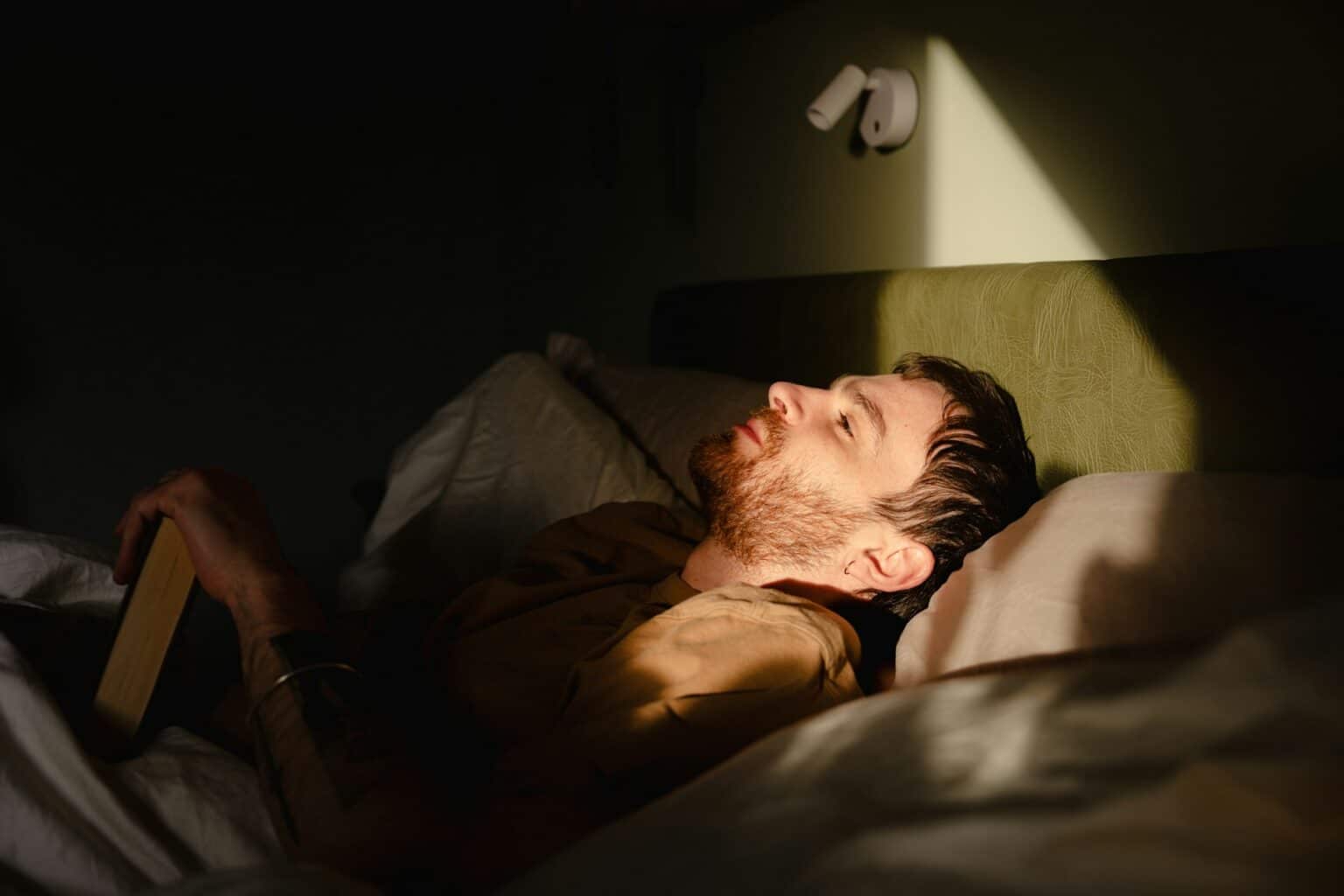
Sleep problems often follow specific patterns. Recognizing how these patterns work can help you change them.
Insomnia is a persistent difficulty falling asleep, staying asleep, or waking too early despite having the opportunity to rest. It often starts with a stressor, such as work pressure or illness. Even after the trigger resolves, the sleep problem persists because worry about sleep creates its own arousal cycle. Your body learns to associate the bedroom with wakefulness instead of rest.
Sleep onset insomnia means difficulty falling asleep at the start of the night. Sleep maintenance insomnia means waking during the night and struggling to return to sleep. Early morning awakening means waking hours before your intended wake time. Many people experience more than one pattern.
Insomnia is usually sustained by a combination of biological, psychological, and behavioral factors. Stress triggers initial sleep disruption. Anxiety activates the nervous system at night. Depression affects how sleep unfolds through the night. Medical conditions like chronic pain interfere with rest. Medications can affect sleep quality. Irregular schedules disrupt your natural rhythm. Learned associations between bed and wakefulness develop from prolonged insomnia.
Chronic sleep deprivation creates difficulty concentrating, memory problems, increased irritability, emotional reactivity, a higher risk of anxiety and depression, weakened immune function, and reduced quality of life. The longer insomnia persists, the more these effects accumulate.

Insomnia is treated using Cognitive Behavioral Therapy for Insomnia (CBT-I), a structured approach that addresses both the thoughts and behaviors that sustain sleep problems.
CBT for insomnia targets the specific patterns that prevent restful sleep. It’s a time-limited approach that works by changing what keeps you awake. The goal is restoring your natural sleep rhythm without relying on medication.
What this looks like in sessions:
The first session maps out your sleep history and identifies what’s keeping you awake:
You’ll leave with a better understanding of what’s keeping you awake and a clear path forward. Treatment typically runs 6 to 8 sessions.

When you're ready to make real and lasting changes.

We start by exploring what’s going on beneath the surface so we can understand what’s driving your challenges.

Together, we connect the dots between your thoughts, emotions and behaviors to discover the meanings you place on distressing events in your life.

You’ll learn and try out new ways of thinking, feeling, and responding that support lasting,
healthy change.

We focus on deepening your growth and helping you carry what you’ve learned into everyday life with confidence and clarity.


People often ask about other approaches to treating insomnia. Here’s how they compare to CBT-I.
Sleep medications can provide short-term relief but don’t address the underlying patterns that sustain insomnia. When medication is stopped, sleep problems often return. Many people use medication while doing CBT-I and gradually taper off as their sleep improves. I don’t prescribe medication, but I can coordinate with your doctor if you’re working with one.
What draws people to this method:
Melatonin, magnesium, valerian root, and other supplements are often tried for insomnia. Evidence for their effectiveness is mixed, and like medication, they don’t address the behavioral and cognitive patterns that sustain chronic insomnia. They can be part of an overall approach, but aren’t a substitute for structured treatment.
What draws people to this method:
Insomnia is a persistent difficulty falling asleep, staying asleep, or waking too early despite having adequate opportunity to rest. To be diagnosed as chronic insomnia, symptoms must occur at least three nights per week for three months or longer and cause significant distress or impairment.
Not every bad night is insomnia. It becomes a disorder when sleep difficulty is frequent, persistent, and impacts your daily life. If you’re lying awake most nights and feeling exhausted during the day, that’s when it crosses into clinical insomnia.
CBT for insomnia uses behavioral and cognitive techniques to break patterns sustaining poor sleep. Treatment includes sleep restriction therapy to consolidate sleep and strengthen sleep drive, stimulus control to rebuild the association between bed and sleep, cognitive restructuring to address worry and catastrophic thinking, sleep hygiene education, and relaxation training.
Sleep hygiene offers general tips like limiting caffeine and keeping your room dark. CBT-I goes further by addressing the specific thoughts and behaviors that sustain your insomnia. It’s a structured treatment protocol that produces lasting changes.
CBT for insomnia typically lasts 6 to 8 sessions. Some people see improvement within the first few weeks, though sustained results usually develop over the full course. The work is structured and time-limited. Once you’ve learned the techniques, you can apply them independently.
CBT for insomnia is the most well-researched non-medication treatment for chronic insomnia and is recommended as first-line treatment by the American Academy of Sleep Medicine. Research shows it produces lasting improvements in sleep quality, reduces time to fall asleep, and decreases nighttime awakenings. Unlike sleep medications, benefits persist after treatment ends.
Understanding the financial side before you start is reasonable and important.
My fees are consistent with those of private-practice clinical psychologists in Brooklyn. I share specific fee information during the initial consultation so there are no surprises.
I am an out-of-network provider. I do not bill insurance directly, but many PPO plans offer out-of-network mental health benefits that reimburse a meaningful portion of session costs.
Before deciding whether out-of-network is feasible, it is worth one phone call.
I provide monthly superbills with the diagnostic and procedure codes your insurer needs so you can submit for reimbursement yourself.
Many clients find their actual out-of-pocket cost, after reimbursement, is lower than expected. It is worth making that call before assuming it is not feasible.
Yes. I offer CBT for insomnia via secure video sessions for clients throughout New York State. Online therapy provides the same structured treatment as in-person sessions. The behavioral and cognitive techniques used in CBT-I translate effectively to a virtual format.
Yes, in-person sessions are available at my Brooklyn Heights office for clients in the area.
The office is steps from Borough Hall / Court Street Station, served by the 2, 3, 4, 5, N, R, and W trains, approximately a 1 to 3-minute walk. Jay St-MetroTech Station, with A, C, F, and R trains, is about 5 minutes away. Several bus routes, including the B25, B41, B57, and B6,1 stop within one block. For drivers, Icon Parking at 180 Montague Street and LAZ Parking at 92 Livingston Street are nearby. Street parking is available but can be limited during business hours.
Many clients come from Cobble Hill, DUMBO, Park Slope, and Boerum Hill, as well as from other parts of Brooklyn and from Manhattan. If you are close to Borough Hall or within a reasonable commute, in-person sessions are a practical option.
The first step is a free 15-minute phone consultation. We will talk about what you are dealing with, I will answer your questions about how I work, and we can decide together whether working with a depression therapist in Brooklyn is the right fit. Reach me at (718) 569-7339 or via my website.
Being tired doesn’t automatically produce sleep when your nervous system is in hyperarousal. Anxiety, worry, and mental activation override fatigue. Your body might be exhausted, but your mind is running too fast to allow sleep. This disconnect happens when stress hormones like cortisol remain elevated at bedtime or when your brain has learned to associate bed with wakefulness.
CBT for insomnia addresses both the physical arousal and the thought patterns that keep your mind active when you’re trying to sleep. You learn to reduce nighttime anxiety and rebuild the association between bed and rest.
Difficulty falling asleep after lying down, waking multiple times throughout the night, waking too early and being unable to return to sleep, and spending long periods awake in bed are the core nighttime symptoms. You might also notice racing thoughts, physical restlessness, or heightened awareness of small sounds or sensations that prevent sleep.
Insomnia doesn’t end when you get out of bed. Daytime symptoms include persistent fatigue despite lying in bed for hours, difficulty concentrating or focusing on tasks, memory problems, irritability or mood changes, decreased motivation, and increased errors or accidents. These symptoms cause significant distress and interfere with work, relationships, or daily functioning.
Poor sleep affects how you think. Concentration drops. Decision-making becomes harder. Memory suffers. You might find yourself rereading the same paragraph or losing track mid-conversation.
Sleep deprivation and emotional regulation are closely connected. When you’re not sleeping well, emotional responses become harder to manage.
Small frustrations feel bigger. Your tolerance for stress drops. Things that wouldn’t normally bother you become irritating. Emotional reactions feel disproportionate to what triggered them.
One of the most challenging emotional effects of chronic insomnia is anticipatory anxiety. You start worrying about sleep during the day. Bedtime brings dread instead of relief. This anxiety then makes sleep even harder, creating a self-perpetuating cycle.
Chronic insomnia significantly increases the risk for depression. Sleep problems can be both a symptom and a cause of depression. Treating insomnia often improves mood, and treating depression often improves sleep. They influence each other.
CBT for insomnia teaches specific coping strategies that address the thoughts and behaviors sustaining poor sleep.
Use your bed only for sleep and sex. If you’re awake for more than 15-20 minutes, get up and do something calming in another room. Return to bed only when sleepy. This trains your brain to associate bed with sleep instead of wakefulness.
Keep a notepad by your bed to capture worries that surface at night. Set aside a designated worry time earlier in the day. Practice cognitive defusion techniques to create distance from anxious thoughts. Use imagery or breathing exercises to redirect your attention.
Wake at the same time every day, including weekends. Avoid napping. Limit time in bed to the actual hours you’re sleeping. These strategies strengthen your natural sleep-wake rhythm and build sleep pressure that makes it easier to fall asleep at night.
If poor sleep is affecting your daily functioning, your relationships, or your quality of life, treatment is worth considering.
Sleep problems occurring three or more nights per week for at least three months, daytime impairment from poor sleep, sleep anxiety that persists during the day, failed attempts to improve sleep on your own, and reliance on sleep aids that you want to stop are all indicators that professional treatment could help.
Yes. Anxiety is one of the most common causes of insomnia. Worry activates the nervous system, making it physiologically difficult to sleep.
Anxious thoughts trigger the body’s stress response. Cortisol and adrenaline levels rise. Heart rate increases. Muscles tense. This state is incompatible with sleep. Even when you’re exhausted, your nervous system stays activated.
CBT for insomnia and CBT for anxiety use overlapping techniques. Addressing insomnia often improves anxiety symptoms. Addressing anxiety often improves sleep. Many people benefit from treating both simultaneously.
Yes. Insomnia is one of the most common symptoms of depression. Sleep problems can also trigger or worsen depression. The relationship runs both ways.
Depression affects how sleep unfolds through the night. REM sleep occurs earlier and more frequently. Deep sleep decreases. Early morning awakening is common. Some people with depression sleep excessively rather than experiencing insomnia, but difficulty sleeping is more typical.
Several behaviors and thought patterns deepen insomnia even when they’re intended as solutions.
Going to bed earlier to try to get more sleep or staying in bed late hoping to catch up actually weakens sleep drive and fragments sleep. Restricting time in bed to match actual sleep improves sleep quality.
Believing you won’t function the next day, that your health is being destroyed, or that you’ll never sleep well again increases anxiety and makes sleep harder. CBT addresses these distorted beliefs.
Sleep apnea and insomnia have different symptoms and require different treatments. Sometimes they occur together.
Insomnia involves difficulty falling or staying asleep with full awareness of being awake. Sleep apnea involves repeated breathing interruptions during sleep that you’re often unaware of. With apnea, you might feel excessively sleepy during the day despite spending adequate time in bed. Loud snoring, gasping, or choking sounds during sleep suggest apnea rather than insomnia.
Sleep hygiene refers to environmental and behavioral habits that support better sleep. These practices are helpful but rarely sufficient on their own for chronic insomnia.
Keep your bedroom dark, quiet, and cool. Limit caffeine after noon. Avoid alcohol close to bedtime. Reduce screen time in the evening. Exercise regularly, but not right before bed. These practices create conditions that support sleep but don’t address the cognitive and behavioral patterns that sustain insomnia.
Acute stress often triggers short-term sleep disruption. When stress becomes chronic or when sleep problems persist after the stressor resolves, insomnia develops its own maintaining factors.
Stress-related insomnia starts as a normal response to life challenges. It becomes chronic when you develop compensatory behaviors like going to bed earlier, sleeping later, napping, or using sleep aids. These behaviors weaken your natural sleep drive and perpetuate the problem even after stress decreases.
Short-term insomnia triggered by specific stressors often resolves when circumstances change. Chronic insomnia rarely improves without intervention because the patterns sustaining it become self-reinforcing.
Once insomnia has lasted three months or longer, behavioral and cognitive patterns develop that maintain the problem independent of the original trigger. Sleep anxiety creates physiological arousal that prevents sleep. Compensatory behaviors weaken sleep drive. The bedroom becomes associated with wakefulness. These patterns require active intervention to change.
Before starting treatment, it helps to understand the therapist’s training, approach, and expectations.
Are you trained in CBT for insomnia specifically? How many people with insomnia have you treated? Do you use a structured CBT-I protocol? These questions help you understand whether the therapist has specialized training rather than general sleep hygiene knowledge.
How many sessions does treatment typically take? What will I be expected to do between sessions? How soon can I expect to see improvement? CBT for insomnia is structured and time-limited. A qualified therapist should be able to outline a clear treatment plan.

A free consultation is how we begin. We’ll talk about what’s been happening with your sleep, I’ll explain how CBT for insomnia works, and together we’ll figure out whether this is the right next step. No pressure. No commitment. Just an honest conversation.
Book A Consult